November 20, 2026
Replacing a heating system is a significant project for any homeowner. A professional furnace installation involves careful planning, precise labor, and strict adherence to safety codes. Knowing what happens during the appointment helps you prepare your property and set realistic expectations for the process.
Recognizing the Right Time for a Replacement
Before a contractor arrives at your property, you will likely spend time deciding whether a repair or a full replacement is the right choice. Homeowners frequently notice uneven heating, strange noises, or steadily increasing utility bills as older units begin to fail. According to CDC.gov, 51% of homes in the United States use natural gas for heating, while millions of others rely on oil or propane. No matter the fuel source, aging equipment gradually loses efficiency and struggles to maintain comfortable indoor temperatures. If your current unit requires frequent repairs, struggles to keep up with thermostat settings, or is over 15 years old, a replacement is often the most cost-effective option. If you decide to proceed with a furnace installation, you will notice a significant upgrade in indoor comfort and overall energy efficiency. You will also experience fewer breakdowns during the coldest months of the year, giving you peace of mind when winter storms arrive.
Selecting the Right Fuel Source and Unit
The foundation of a successful furnace installation begins with accurate sizing and appropriate equipment selection. Heating equipment is not universally interchangeable, and a unit that is too large or too small will cause severe performance issues. An oversized unit will turn on and off rapidly, which wastes fuel and strains the blower motor. Conversely, an undersized unit will run constantly without ever reaching the desired temperature. Technicians perform a detailed load calculation to determine the exact heating requirements of your property. This calculation accounts for the square footage, the quality of your insulation, the number of windows, and the local climate. Once the load calculation is complete, the contractor will help you choose a unit with a high Annual Fuel Utilization Efficiency rating. A higher percentage indicates that the unit converts more fuel into usable heat, which reduces waste and lowers your monthly utility expenses.
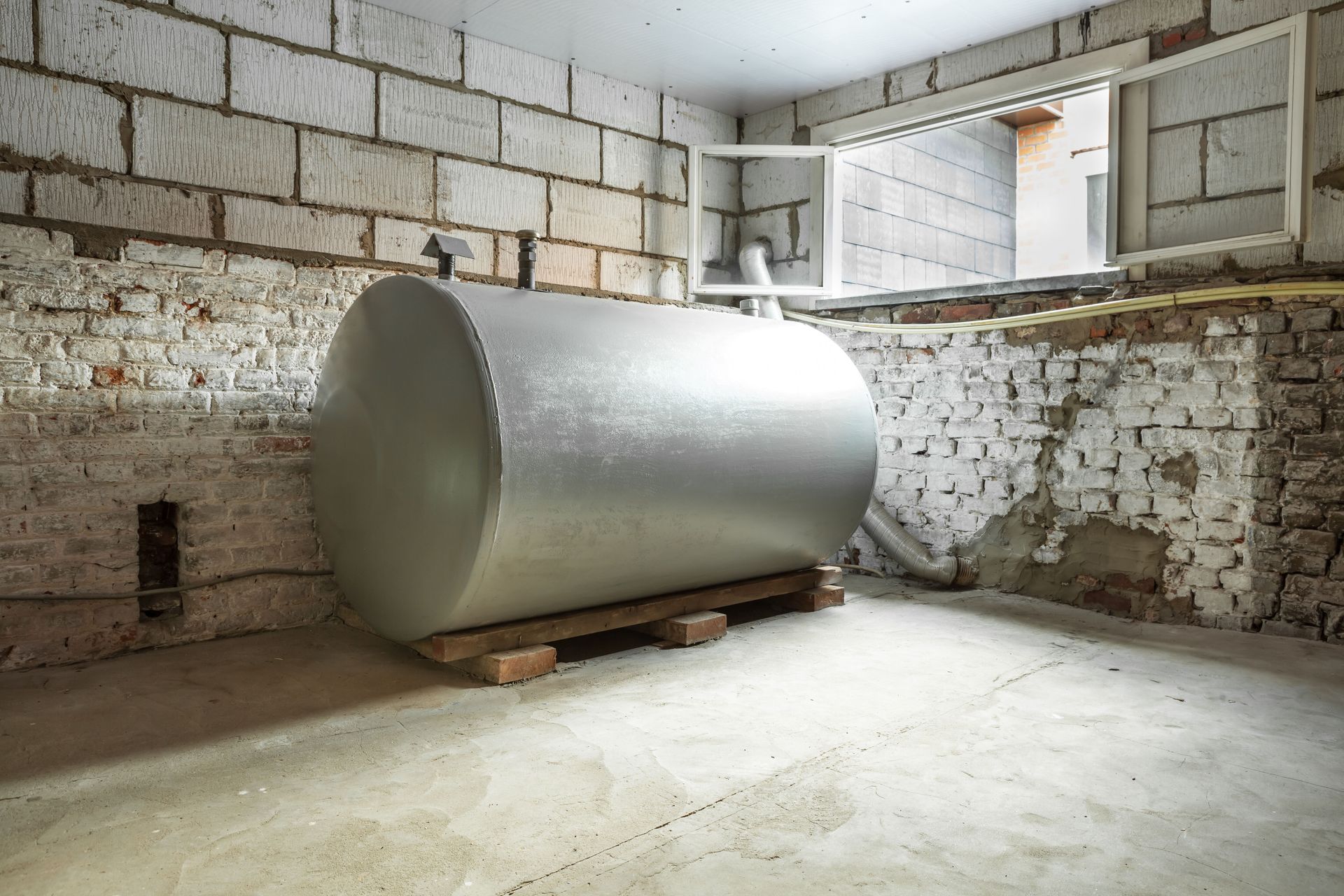
During this phase, you will also discuss your preferred fuel type. Contractors offer heating solutions for heating oil, propane, and natural gas systems. Upgrading to a newer model often involves modifying ventilation pipes or upgrading electrical connections to support modern features. Attempting to figure out these complicated requirements on your own is dangerous and violates local building codes. You must always rely on professionals to calculate these specifications and match the new unit to your existing ductwork and fuel lines.
Preparing for Your Upcoming Appointment
Once the paperwork is signed and the date is scheduled, you can take a few simple steps to help the contractors work efficiently. To get ready for the appointment, try checking these tasks off your list:
- Clear a wide path from your front door or driveway to the utility room.
- Move any boxes, laundry, or storage bins at least three feet away from the heating equipment.
- Secure pets in a separate room to keep them safe from heavy tools and open exterior doors.
- Cover delicate furniture or electronics near the work area to protect them from airborne dust.
If you have an older home with narrow hallways or steep basement stairs, let the contractors know ahead of time so they can bring the appropriate moving equipment. Most installations require one or two full days to complete, depending on the condition of your existing ductwork and ventilation. The technicians will arrive early in the morning, review the work plan with you, and lay down drop cloths or wear shoe covers to protect your floors. Asking questions before the manual labor begins helps you understand the timeline and any temporary utility disruptions that will occur throughout the day.
Removing the Old Heating Equipment
The physical labor starts with the safe dismantling and removal of your outdated system. Before any wrenches turn, the contractors will shut off the electrical breakers and close the fuel supply valves to prevent accidents. They carefully disconnect the old flue pipes, electrical wires, and fuel lines. If your previous system included central air conditioning, the workers will protect the indoor evaporator coil while they slide the old heating unit out of place.
Getting an old, heavy piece of metal out of a basement or utility closet is a challenging task that requires proper lifting techniques. The professionals will load the heavy debris onto their trucks and haul it away for proper disposal or recycling. Once the area is empty, they sweep the floor and clean the space. This preparation is critical because the new unit needs a flat, stable, and clean surface to operate without excessive vibration.
Placing the New System in Your Home
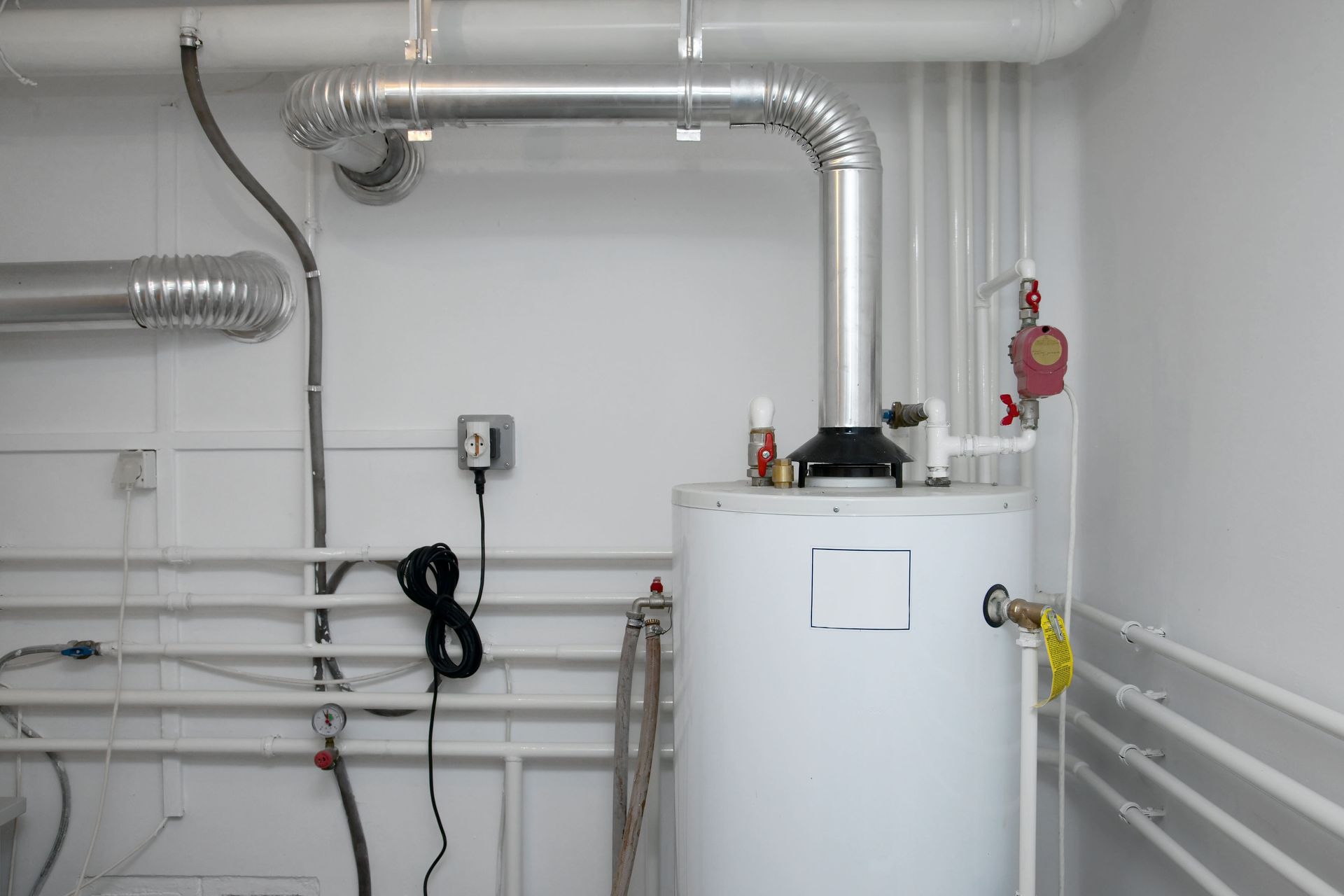
During the active furnace installation, the contractors bring in the new components and begin the assembly process. They position the new unit on the clean floor or a dedicated platform, taking care to align it precisely with your existing supply and return air ducts. Because modern units often have different dimensions than older models, the workers will fabricate custom sheet metal transitions. These custom pieces connect the new equipment to your old ductwork tightly, preventing air leaks that would otherwise reduce the efficiency of the system.
After the metalwork is attached, the contractors apply a thick layer of mastic sealant or metal tape to seal the joints. Next, they connect the fuel supply lines and verify that all fittings are tightly secured to prevent gas or oil leaks. The electrical wiring is then routed to the control board, connecting the system to your home's power grid and your thermostat. Finally, the technicians install the venting pipes. High-efficiency models require specialized PVC pipes that vent directly out the side of the house, while standard models use metal flues connected to a chimney.
Testing the Equipment for Proper Operation
The final step of the furnace installation is testing the equipment to verify that everything works correctly. The contractors will turn the power back on, open the fuel valves, and activate the system at the thermostat. They monitor the initial ignition sequence to confirm the burners light smoothly and maintain a steady flame. Using specialized gauges, they measure the gas pressure and adjust it to match the manufacturer's specifications.
As warm air begins to flow through your property, the workers will measure the temperature drop across the supply and return vents to confirm the airflow is balanced. They also conduct comprehensive safety checks, using sensitive detectors to scan for carbon monoxide leaks or unburned fuel odors around the fittings. Before packing up their tools, the technicians will walk you through the basic functions of your new thermostat and show you where the air filter is located.
Maintaining Your System for the Future
Long after your furnace installation is complete, routine upkeep keeps your system operating smoothly and prevents unexpected breakdowns. Modern heating systems require consistent care to maintain their high efficiency ratings and prolong their operational lifespan. Homeowners should plan to complete the following maintenance tasks:
- Check your air filter every 30 days and replace it if it looks dirty.
- Keep the area around the unit entirely free of clutter, flammable liquids, and storage boxes.
- Monitor your floor and ceiling vents to verify they remain open and unobstructed by rugs or furniture.
- Listen for any unusual rattling, banging, or squealing noises during normal operation.
- Schedule a professional tune-up at least once a year, ideally in the early autumn months.
During these seasonal checkups, technicians will clean the internal sensors, lubricate moving parts, and inspect the heat exchanger for early signs of cracking or wear. By changing your filters and booking annual inspections, you protect your investment and enjoy reliable warmth throughout the winter. If you are ready to upgrade your home comfort, reach out to the professionals at Ives Bros.