July 26, 2026
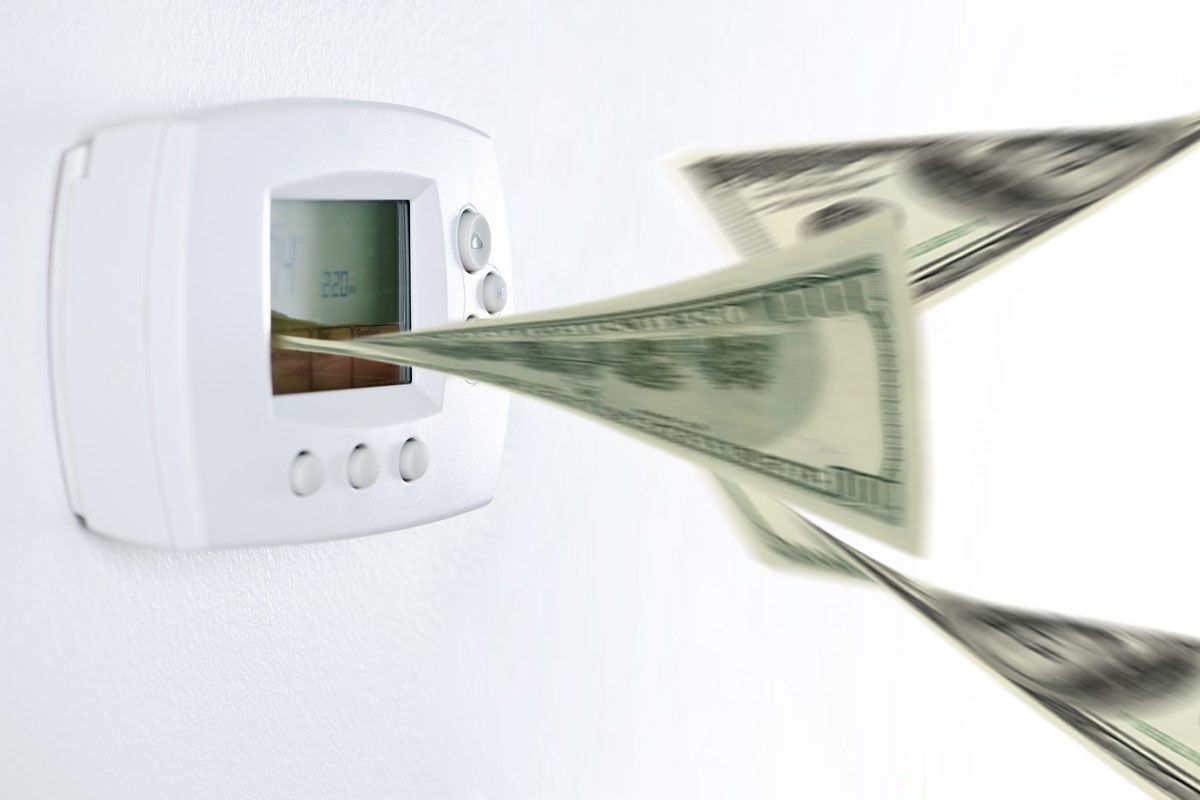
Few homeowners enjoy opening a utility bill only to discover that heating and cooling costs have climbed yet again. While seasonal weather certainly affects monthly expenses, an inefficient HVAC system can quietly waste energy every day without obvious warning signs. Small performance issues often develop gradually, making them easy to overlook until energy costs become noticeably higher.
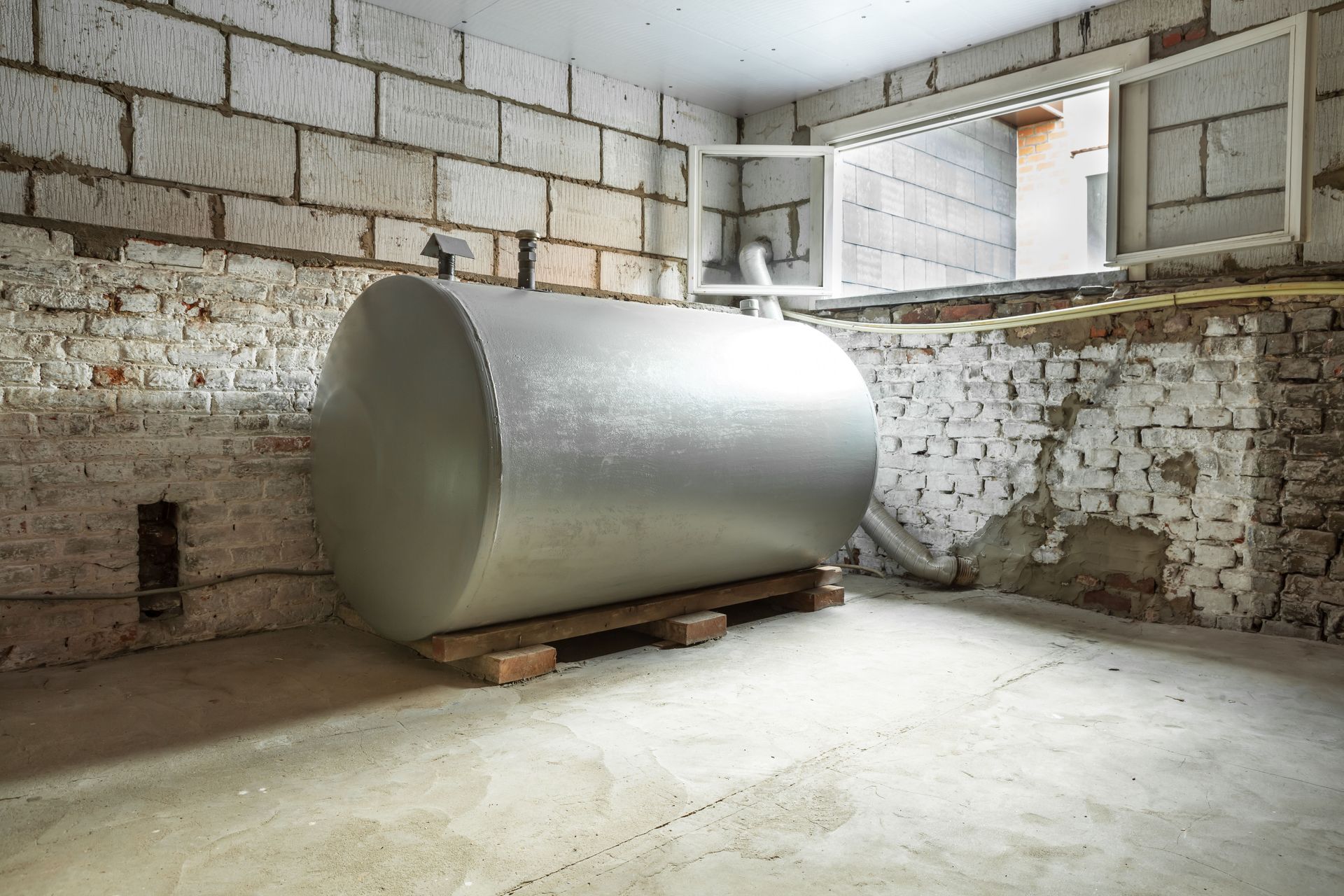
When an HVAC system is operating as intended, it should provide dependable comfort while using energy efficiently. However, neglected maintenance, aging equipment, restricted airflow, and overlooked mechanical problems can all reduce performance. For households that rely on heating oil delivery, keeping the entire system functioning properly is especially important because inefficient operation can lead to increased fuel consumption throughout the heating season.
Professional inspections and routine service help identify developing concerns before they become expensive problems. By understanding the most common sources of wasted energy, homeowners can make informed decisions that improve comfort while reducing unnecessary operating costs.
1. Prevent Air Filter Restrictions
One of the most common causes of wasted energy begins with something many homeowners rarely think about until comfort starts to decline. Dirty air filters restrict airflow throughout the system, forcing heating and cooling equipment to work much harder than necessary.
When airflow becomes limited, every component experiences additional strain. Rooms may heat or cool unevenly, equipment cycles may become longer, and energy consumption often increases without improving indoor comfort.
Homes that depend on heating oil delivery benefit from keeping airflow unrestricted because efficient circulation allows the entire heating system to distribute warmth more effectively while minimizing unnecessary fuel use. Professional maintenance ensures filters are evaluated and replaced at appropriate intervals for the specific system.
2. Prevent Thermostat Performance Problems
Even a high-quality HVAC system cannot operate efficiently if the thermostat is not functioning correctly. Incorrect calibration, poor placement, or outdated controls can cause heating and cooling cycles that run longer than necessary.
A thermostat located near direct sunlight, kitchens, or drafty windows may receive inaccurate temperature readings. As a result, the HVAC system responds to misleading conditions instead of the actual comfort level throughout the home.
Professional technicians evaluate thermostat operation as part of comprehensive system service, helping ensure heating and cooling equipment responds accurately to indoor conditions.
3. Prevent Ductwork Air Loss
Conditioned air cannot improve comfort if it never reaches the intended living spaces. Damaged, disconnected, or poorly sealed ductwork allows heated or cooled air to escape before reaching occupied rooms.
This loss forces HVAC equipment to continue operating longer in an effort to maintain desired temperatures. Over time, the additional workload contributes to higher utility expenses and increased wear on system components.
Households relying on heating oil delivery especially benefit from efficient air distribution because every unit of fuel should contribute directly to indoor comfort rather than being wasted inside walls, crawl spaces, or attics.
4. Prevent Mechanical Wear From Growing
HVAC equipment experiences normal wear throughout years of operation. Belts, motors, electrical components, burners, and moving parts gradually lose efficiency as they age.
Without routine inspections, relatively minor concerns may develop into larger mechanical failures that significantly reduce system performance. Equipment often continues operating while consuming considerably more energy than necessary.
Professional service identifies worn components before they create additional strain throughout the system. Addressing these concerns promptly supports reliable performance and helps avoid unnecessary increases in operating costs.
5. Prevent Delayed Professional Service
Many homeowners postpone scheduling maintenance until their HVAC system begins showing obvious signs of trouble. Unfortunately, waiting too long often allows small inefficiencies to become larger, more expensive problems.
Prompt service appointments also improve the overall customer experience. According to Workyard, delays contribute to 55% of negative HVAC customer reviews, highlighting the importance of timely scheduling and dependable service when maintenance or repairs are needed.
Scheduling inspections before noticeable performance declines helps keep equipment operating efficiently while reducing the likelihood of unexpected disruptions during periods of heavy demand.
6. Prevent Burner and Combustion Inefficiency
For homes using oil-fired heating systems, combustion efficiency plays a significant role in overall energy consumption. Even small issues affecting burner performance may reduce heating effectiveness while increasing fuel usage.
Professional technicians inspect burners, ignition components, combustion settings, and related equipment to verify proper operation. These evaluations help ensure fuel is burned efficiently while supporting safe and dependable heating performance.
When heating oil delivery supports a well-maintained system, homeowners receive greater value from every fuel delivery because the equipment operates closer to its intended efficiency.
7. Prevent Poor System Maintenance
Routine maintenance involves much more than replacing filters. Comprehensive inspections include evaluating electrical connections, cleaning important components, checking airflow, examining safety controls, and verifying that every part of the system works together properly.
Skipping professional maintenance allows dust accumulation, component wear, and hidden performance issues to continue developing unnoticed. The result is often declining comfort combined with steadily increasing utility costs.
Homes that receive heating oil delivery benefit from consistent professional maintenance because the heating equipment remains better prepared for extended seasonal operation while using fuel more effectively.
8. Prevent Aging Equipment Inefficiency
Even properly maintained HVAC systems eventually become less efficient as equipment ages. Older components frequently require more energy to produce the same level of heating or cooling provided when the system was newer.
Gradual declines in efficiency often go unnoticed because they occur slowly over time. Homeowners may simply assume rising utility costs are unavoidable when, in reality, aging equipment may be contributing significantly.
Professional evaluations help determine whether continued maintenance remains the most practical solution or whether replacing aging equipment would provide meaningful long-term energy savings.
9. Prevent Airflow Obstructions Throughout the Home
Efficient HVAC performance depends on unrestricted airflow from beginning to end. Closed vents, blocked return registers, crowded utility spaces, and other airflow restrictions prevent conditioned air from circulating properly.
The HVAC system compensates by operating longer while struggling to maintain consistent temperatures throughout the home. This unnecessary workload contributes directly to higher operating expenses.
Professional inspections evaluate the complete airflow pathway to identify restrictions that may be reducing overall system efficiency and increasing energy consumption.
10. Prevent Fuel Waste Through Comprehensive Care
Many energy losses result from several small issues occurring simultaneously rather than a single major problem. Slight airflow restrictions, aging components, thermostat concerns, and declining combustion efficiency can combine to create surprisingly high utility bills.
A comprehensive maintenance strategy evaluates the entire heating and cooling system instead of focusing only on isolated components. This complete approach allows technicians to identify opportunities for improved efficiency before larger problems develop.
For homeowners who depend on heating oil delivery, comprehensive system care helps maximize comfort while minimizing unnecessary fuel consumption throughout the heating season. Regular professional attention supports dependable operation, improved efficiency, and greater confidence that the system is performing as intended.
High energy bills are often symptoms of underlying HVAC inefficiencies rather than unavoidable household expenses. Airflow problems, aging equipment, delayed maintenance, combustion issues, and hidden mechanical wear can all contribute to rising operating costs while reducing indoor comfort. Addressing these concerns through professional service helps protect the performance and longevity of the entire system.
Whether your home depends on traditional heating equipment or heating oil delivery, investing in regular professional inspections supports more efficient operation, greater comfort, and improved reliability throughout the year. If you want experienced guidance tailored to your home’s heating needs, contact Ives Bros. We are committed to helping you improve system performance, reduce unnecessary energy waste, and keep your home comfortable in every season.